Trade/Folded aluminium/Flashings and surrounds
Flashing and window surround drawings
Pressed drip, head and abutment flashings, and folded surrounds lining window reveals, every length drawn flat.
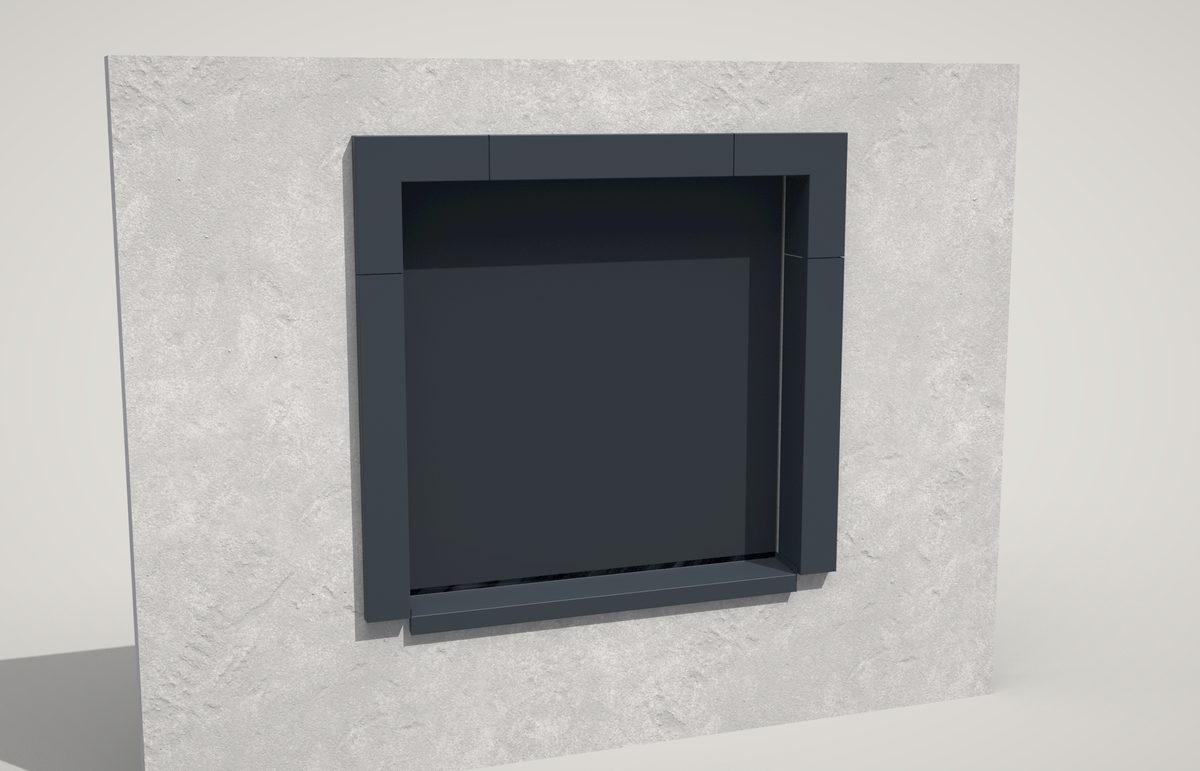
3D modelRendered from the model we draw from.
What it is
Flashings close the gaps where one material meets another and throw the water out. Window surrounds line the reveal to the frame with a face band round the opening, the jambs capped on the cill.
Each is drawn as a run of lengths with its laps, fixings and flat patterns.
Sizes and options
As we draw it. Every size is set to your job.
| Material | 1.6 mm aluminium |
| Fixings | At 450 mm |
| Laps | Lapped on site |
Worth knowing
Roof laps are 150 mm, wall laps 100 mm.
The metal fabrication guide sets a minimum lap of 150 mm on roofs and 100 mm on walls for open flashings. Closed shapes take a butt strap instead, at least 150 mm long.
Source: MCRMA TP11, Metal fabrications: design, detailing and installation, 3.1 Laps/junctions, Summary
The detail
How it is made, fitted and priced, and what to tell us.
Flashings are the least visible metalwork and the most common cause of leaks. We draw them pressed from 1.6 mm aluminium, thicker than the 0.9 mm industry minimum for an external flashing, because a thin one marks and buckles when it is lapped. They come in 3 m lengths that are lapped on site, not welded.
The laps are what the drawing settles. An open flashing is lapped at least 150 mm on a roof and 100 mm on a wall, stitched at 75 to 100 mm centres, with the first line of sealant on the weather side. A closed shape cannot lap, so it takes a butt strap at least 150 mm long. Fixings along the run are at no more than 450 mm. We draw each joint with its lap length and its direction, so the upper piece laps over the lower.
Window surrounds are a different job. A surround lines the reveal with a folded 2 mm face on 3 mm brackets, with a face band round the opening of 100, 150 or 200 mm and a projection of 50 or 100 mm. The jamb feet are capped on the cill. Brackets are at no more than 750 mm centres and 100 from a corner. The standard reveal is 70 mm; any other is made to order.
Mistakes happen at the junctions: a drip that does not reach the face below, a head flashing with no upstand behind it, or a lap the wrong way. Our sections show the water path from the top down and mark where each piece laps over the next.
Tell us the junction type (drip, head, abutment or surround), the substrate on each side, the reveal depth, the finish and the colour. Photographs of the existing junction are worth more than a description.
More views
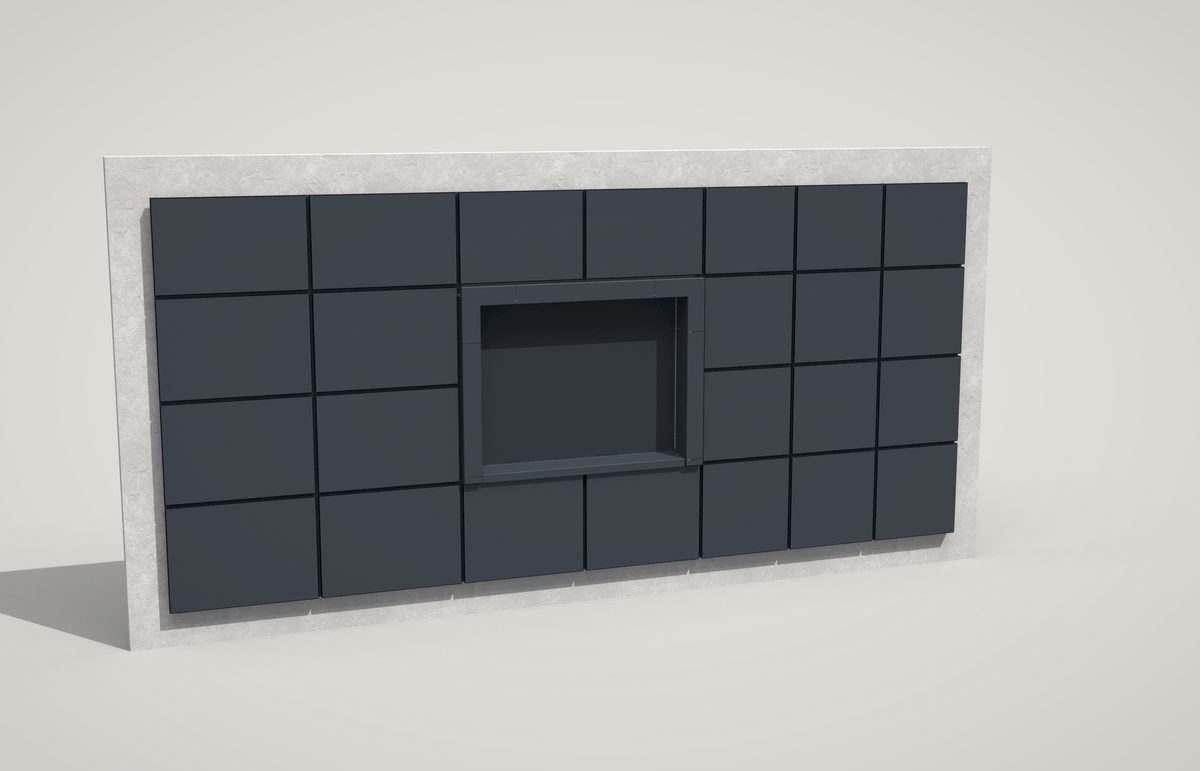
Renders and sheets from our sample projects: made-up jobs, modelled and drawn the way a real one is.
Is it right for you?
Good for
- Cladding, roofs and windows
Not for
- Lead or zinc flashings
- The waterproofing itself: the membrane is the roofer's
What the drawings show
- Sections of every flashing or surround junction, with the water path and laps dimensioned
- A plan or elevation with every length marked, its direction of lap and its fixing positions
- A flat pattern per length with folds and holes, with a DXF
- Corner and end fittings drawn separately
- A schedule of lengths, fittings, brackets and fixings
Questions
How much should flashings overlap?
The metal fabrications guide asks for a minimum lap of 150 mm on roofs and 100 mm on walls, stitched at 75 to 100 mm centres with the first line of sealant on the weather side. Closed shapes take a butt strap of at least 150 mm instead of a lap.
What thickness should aluminium flashing be?
The industry minimum for an external aluminium flashing is 0.9 mm. We draw 1.6 mm, which is stiffer, holds a lap better and is less likely to oil-can. Visible cappings that are welded and dressed go heavier, to 3 mm.
What is a window surround?
A folded aluminium lining that closes the gap between the window frame and the wall, with a face band round the opening. It hides the edge of the cladding and the sealant, and sheds water at the cill. Each surround is drawn with its brackets and its reveal depth, so the fixer knows the packer needed before the first one goes up.
How long can a flashing be?
Three metres is the common length. Some suppliers go to 6 m, but longer lengths move more and need bigger gaps. Joints are lapped or strapped rather than welded. A longer length also needs a bigger gap at each end, so most flashing runs are cut at 3 m and lapped.
Do flashings need expansion gaps?
Where flashings are lapped, the lap allows the movement. Where they are butted, a gap of about 3 mm with a strap under it is left. Fixings are in oversize holes except one per length. The lap itself allows movement without a separate gap, which is why open flashings are lapped rather than butted wherever the shape nests.
Other folded aluminium
Copings
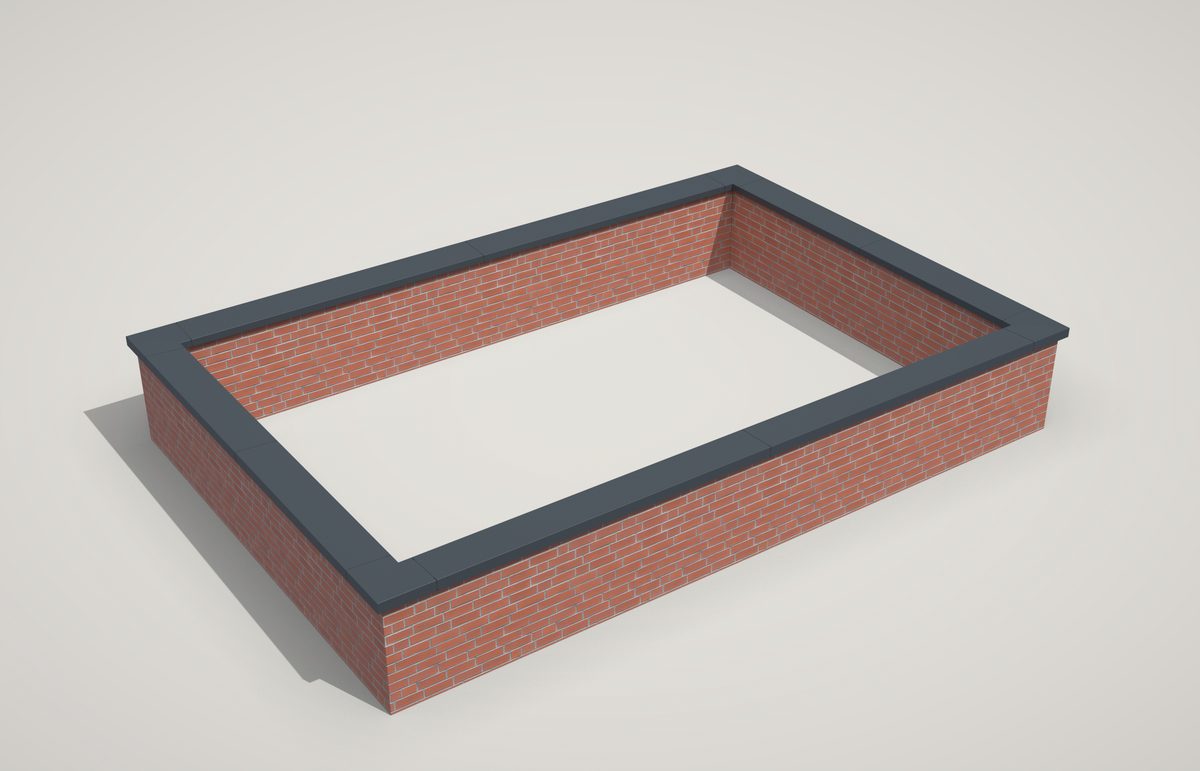
Folded aluminium copings over parapets, with corner and apex fittings.
Trade from £295approval set, fixed price
Pressed cills
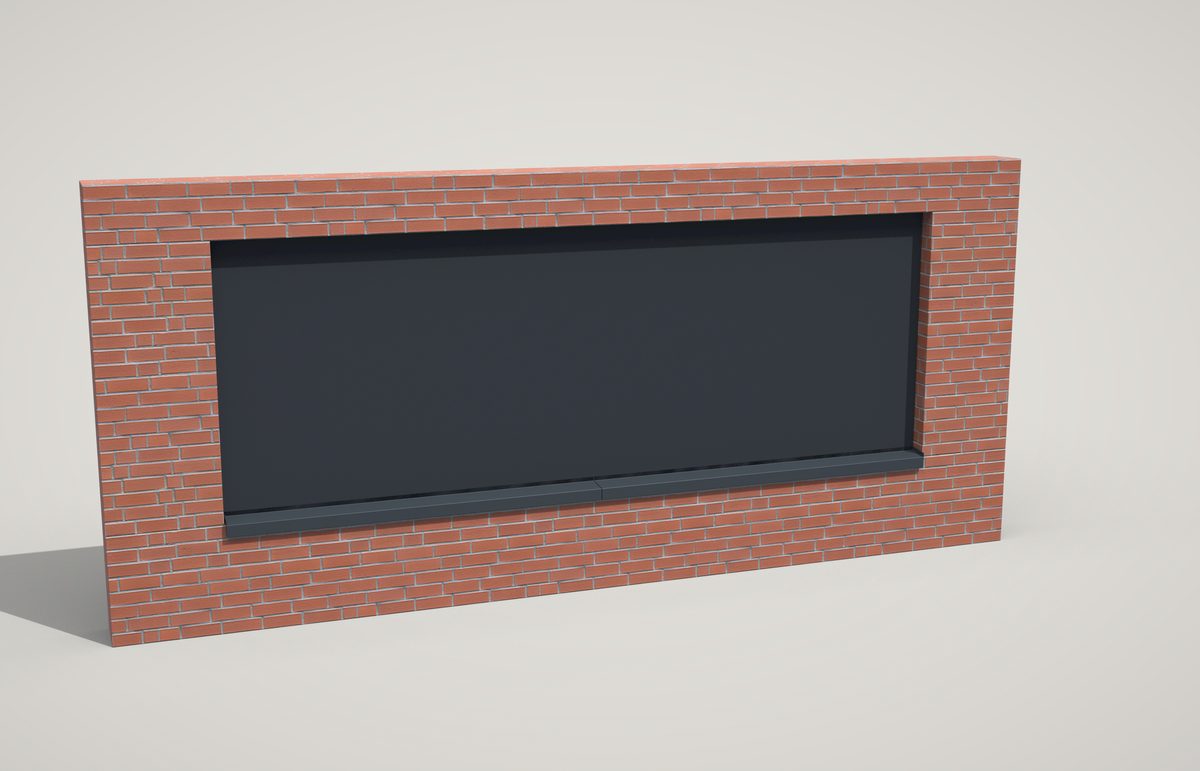
Pressed aluminium window cills with stop ends, falling outward.
Trade from £295approval set, fixed price
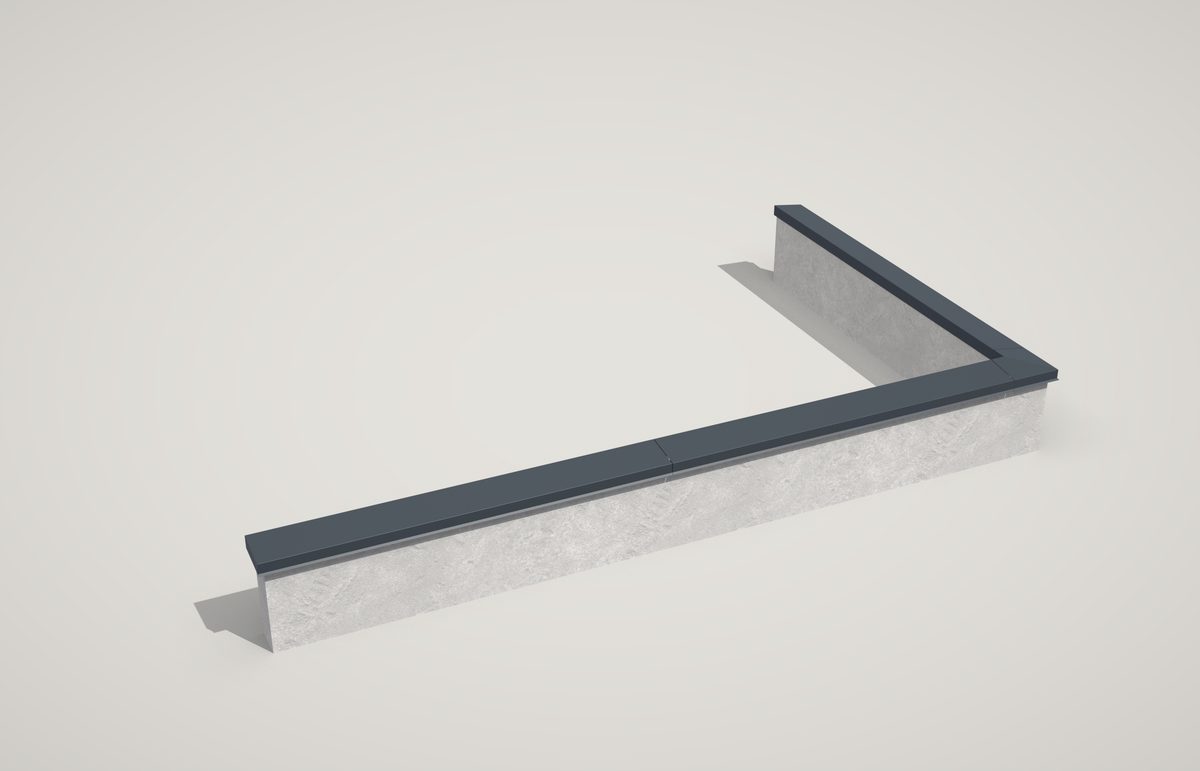
Cappings
Aluminium cappings over walls, steel edges and balcony frames.
Trade from £295approval set, fixed price
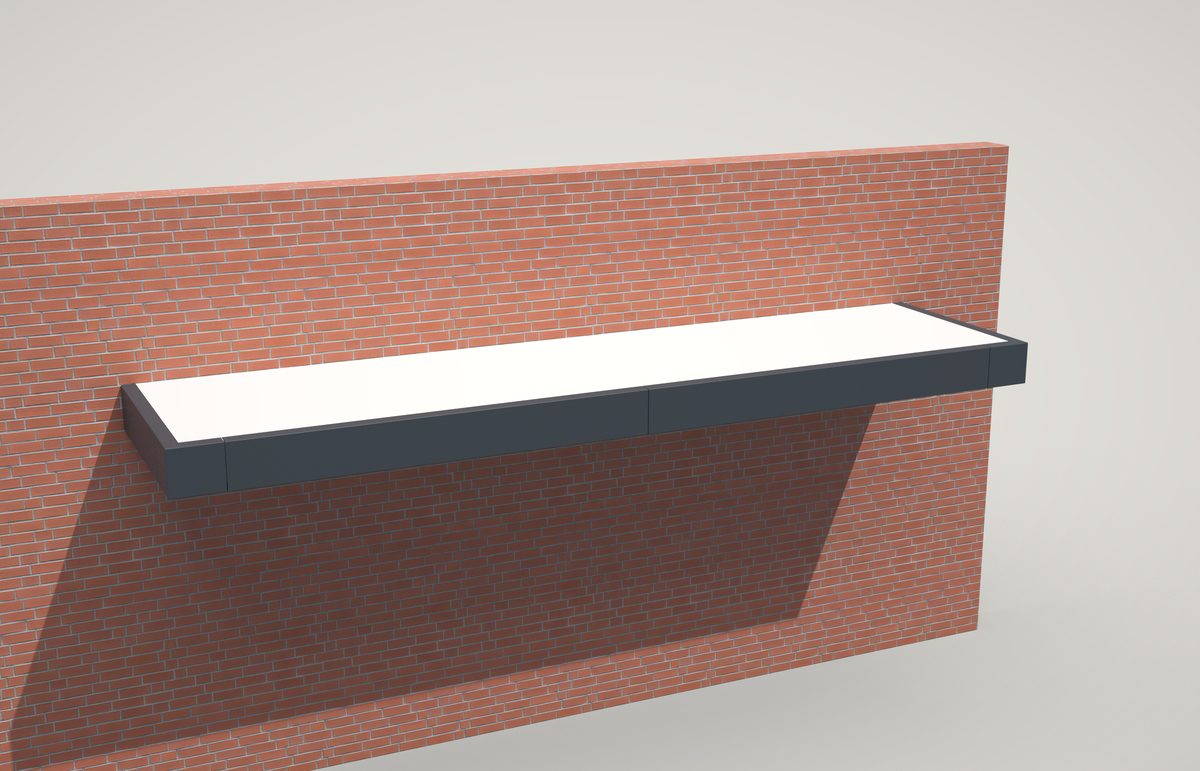
Fascias and soffits
Balcony fascias and soffits that fall to a drip and drain.
Trade from £295approval set, fixed price
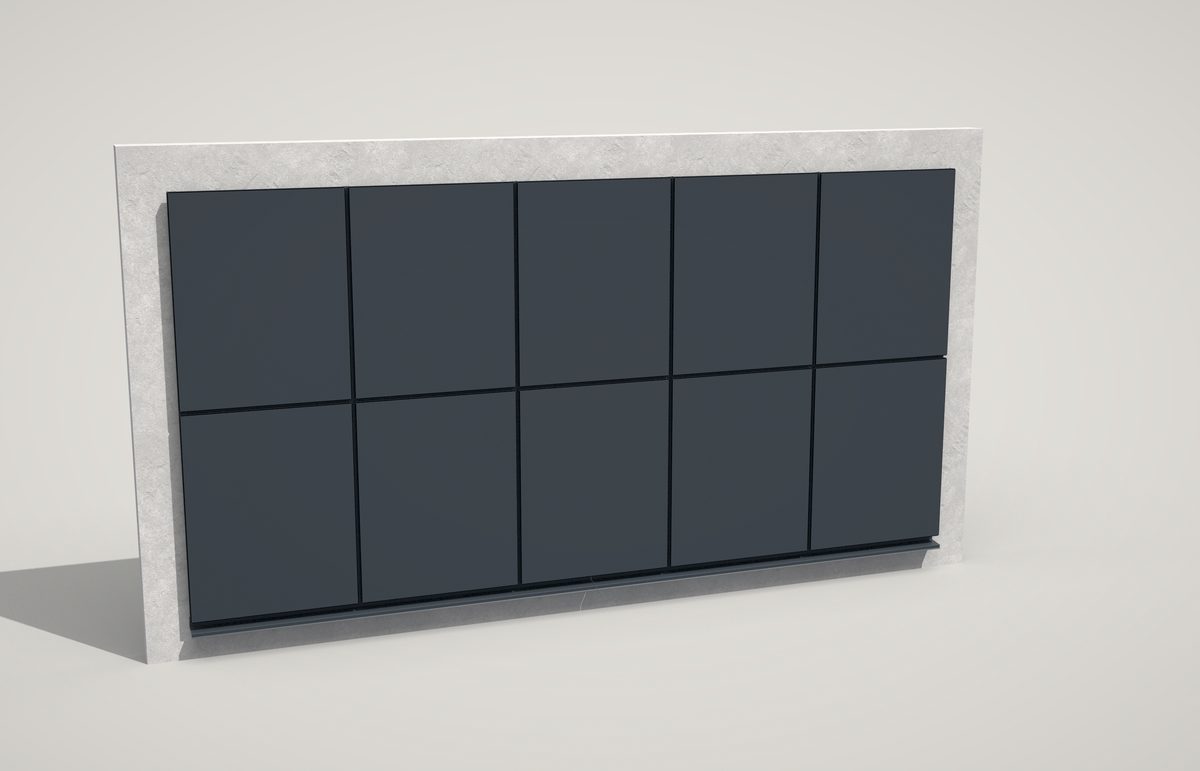
Rainscreen cassettes
Aluminium rainscreen cassettes on rails, on their tested edges.
Trade from £295approval set, fixed price
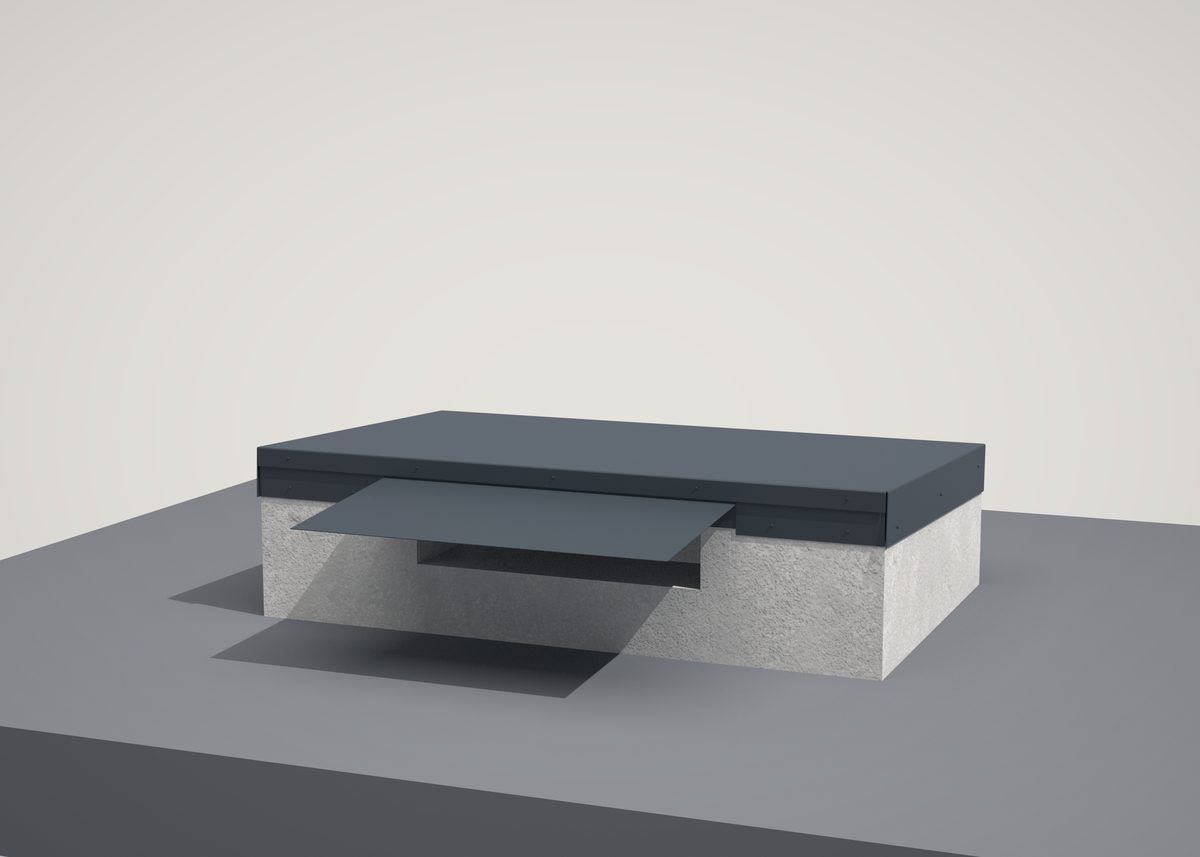
Roof cowls
Folded aluminium cowls over roof upstands and riser openings, made and fitted from a survey.
Trade from £295approval set, fixed price
Send the drawings.
Send the drawings and get a fixed price back within 4 working hours (Mon-Fri, 8 am-6 pm).
Not ready to send drawings? Ask for the full sample pack for your type of work, or a call back, with the form.