Homes and gardens/Gates, railings and fencing/Bollards
Bollard and impact protection drawings
Steel bollards that protect EV chargers, doorways and building corners, set out to the charger standard with heights, spacing and clear space checked.
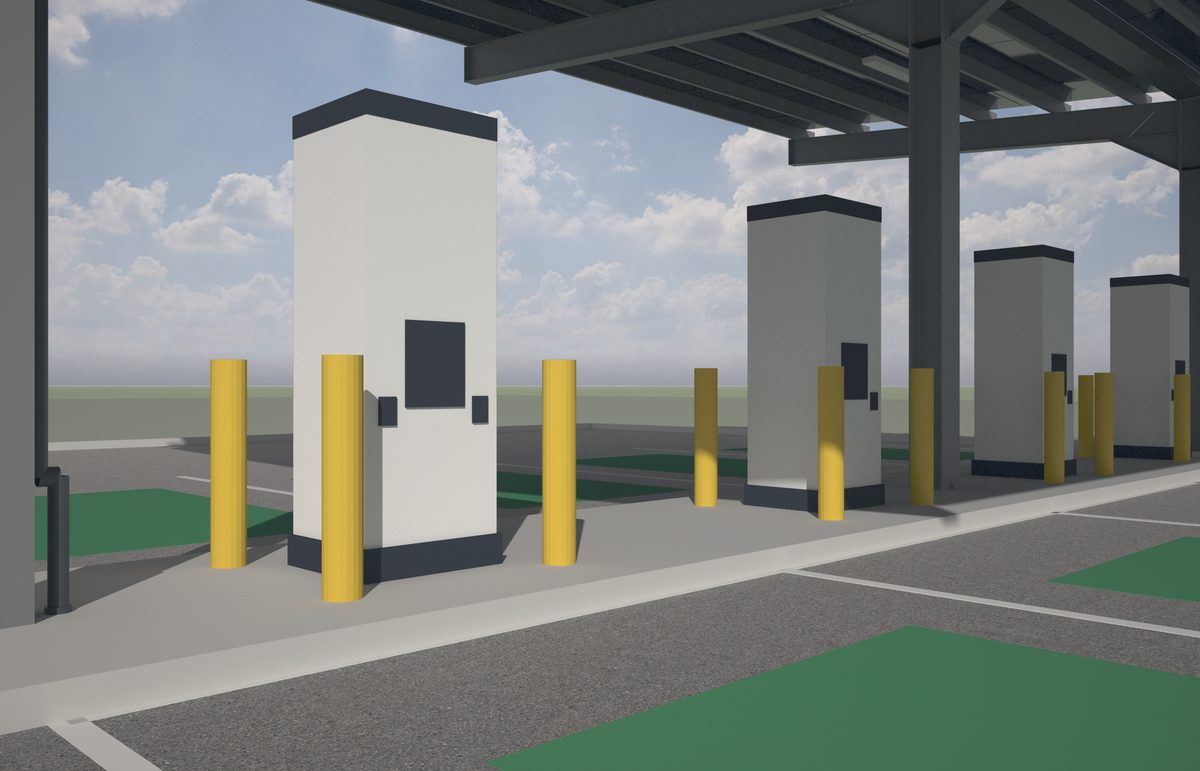
3D modelFrom sample project AF09, rendered from the model.
What it is
A bollard stops a vehicle reaching something it should not. At an EV charge point the bollards stand in front of the unit so a car cannot drive into it. At a building they protect a door, a corner or a service cabinet.
We draw steel bollards set in concrete, at the heights and spacing the charger standard asks for, with the charger, the bays and the clear space round it all on one plan.
Sizes and options
As we draw it. Every size is set to your job.
| Diameter | 168 mm steel tube on our EV hub |
| Height | 1000 mm minimum (PAS 1899 cl 6.5) |
| Spacing | 1400 mm centres at most |
| In front of the unit | 300 mm at most |
| Clear space | 1200 mm in front of the charge point |
Worth knowing
The charger standard covers its bollards.
PAS 1899, the standard for accessible charge points, has a clause on placing the charge point that includes bollards and impact protection. Our heights and spacings come from it.
The detail
How it is made, fitted and priced, and what to tell us.
Where the bollards stand decides whether the charger works. They have to be close enough to the unit to stop a bumper reaching it, far enough away that the cable and the user fit, and spaced so a wheelchair or pushchair can pass between them. In our rules a bollard is at least 1000 mm high, no more than 1400 mm between centres and no more than 300 mm in front of the unit. The 1200 mm of clear space in front of the charge point has to stay clear of them.
Accessible bays change the plan. The access zones round a bay are at least 1200 mm and preferably 1600 mm, and a wheel stop sits at least 900 mm clear of the unit. A bollard that sits inside a zone defeats it, so the drawing shows the zones as hatched areas and the bollards outside them. The same plan shows the bay lines, the island, the ducts and the feed, so the electrician and the civil contractor see the same set-out.
In the ground, a bollard is a tube set in a concrete foundation. Where a crash-rated product is wanted, the foundation comes from the maker and is part of the tested system, so we draw the product as bought-in with the foundation size from the maker's data. Services run near chargers, so the bollard positions are checked against the ducts before anything is dug. A steel bollard is galvanised, and often coated yellow or black; the finish goes on the schedule.
Tell us the charger make and model, the bay layout, the surface and what is below it, whether the bays are accessible, and whether the site's insurer asks for a rated product. For building protection, send the elevation of what is to be protected and the vehicle types.
More views
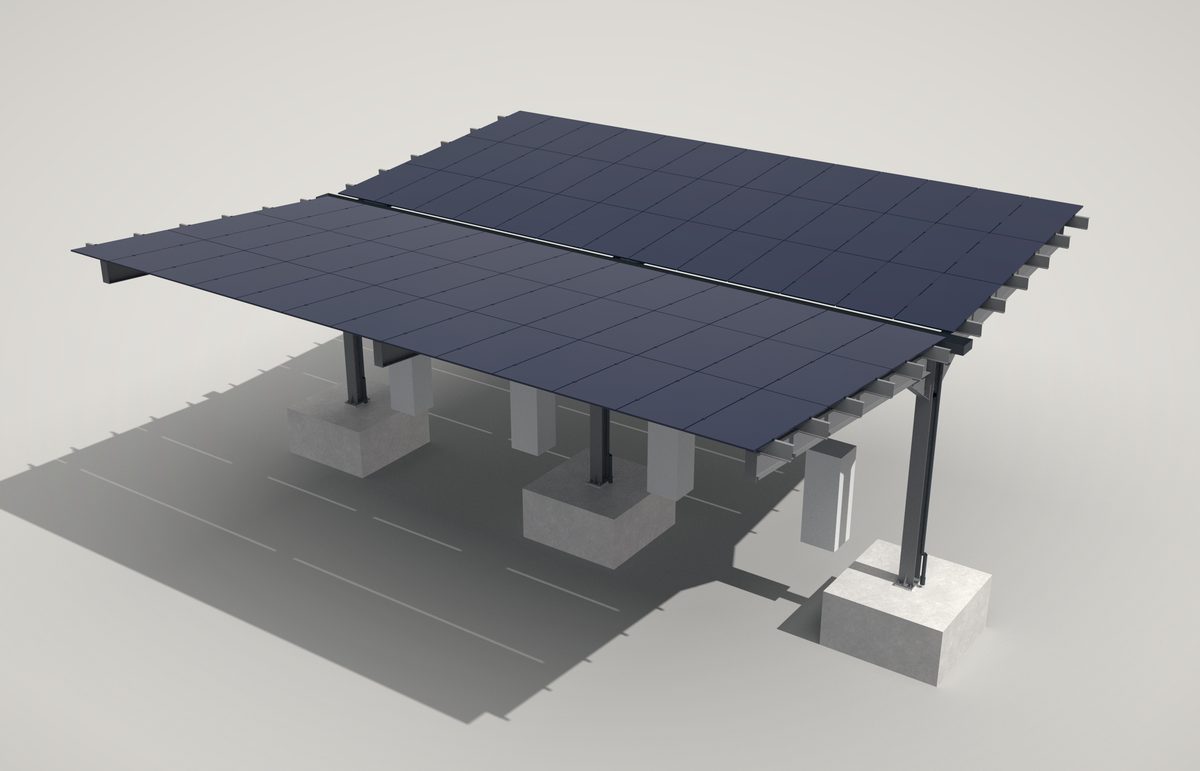
Renders and sheets from our sample projects: made-up jobs, modelled and drawn the way a real one is.
Is it right for you?
Good for
- EV charge points in car parks
- Doorways and loading bays
- Building corners and service cabinets
Not for
- Crash-rated hostile vehicle mitigation: needs a tested product and its own foundation from the maker
- Deciding the impact resistance a site needs: the risk assessment does
What the drawings show
- A plan of each charger position with the bollards, the clear space, the bays and the access zones, dimensioned
- An elevation of the charger with the heights of socket, controls and screen and the bollard tops
- A section through the bollard, foundation and surfacing
- The positions of ducts and the feed relative to bollard foundations
- A schedule of bollards, foundations and fixings
Questions
Guide: Driveway gate height, opening and automationGuide: How to measure for driveway gatesGuide: How to measure for railingsGuide: How to measure for yard gates and fencingGuide: How to make a steel garden gate that hangs true
How high should EV charger bollards be?
In our rules, at least 1000 mm. That figure comes from PAS 1899, the standard for accessible charge points, and we set the charge point, the bollards and the clear space out to it. Your own risk assessment may ask for more, and we draw whatever height is chosen.
How far apart should bollards be?
No more than 1400 mm between centres, so a vehicle cannot slip between them and a wheelchair can still pass. We draw each charger position at 1:50 so the spacing is visible. The spacing is checked on the model, so a gap that is too wide is reported before the drawing is issued.
How close to the charger should the bollards stand?
No more than 300 mm in front of the unit in our rules, with 1200 mm of clear space maintained in front of the charge point's components for the user. We draw the distance on each charger sheet, together with the unit's face, the bay line and the wheel stop.
Are bollards needed at every charge point?
Not always. PAS 1899 deals with them as impact protection, and the need depends on the position, the traffic and the risk. Ask the charger supplier and your insurer, and we draw whatever is chosen. Where the site is private and low risk, some operators choose no bollards at all, but the choice is theirs, and we only draw it.
Can a bollard be set in an existing surface?
Yes, by cutting out the surface and casting a foundation. We check the position against the ducts and drainage, because cutting through a duct is the usual mistake. Pavers or tarmac are cut back neatly and made good, and we show the cut line in the plan.
Other gates, railings and fencing
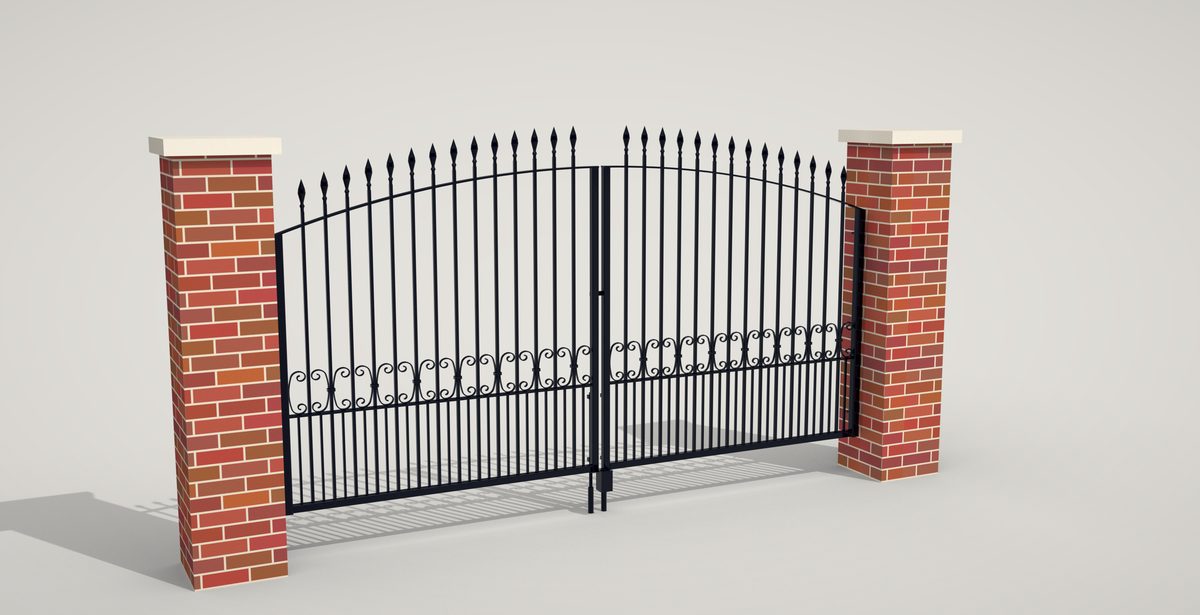
Bow-top driveway gates
A pair of bow-top gates on brick piers, with scrolls, spears and dog bars.
From £179design pack
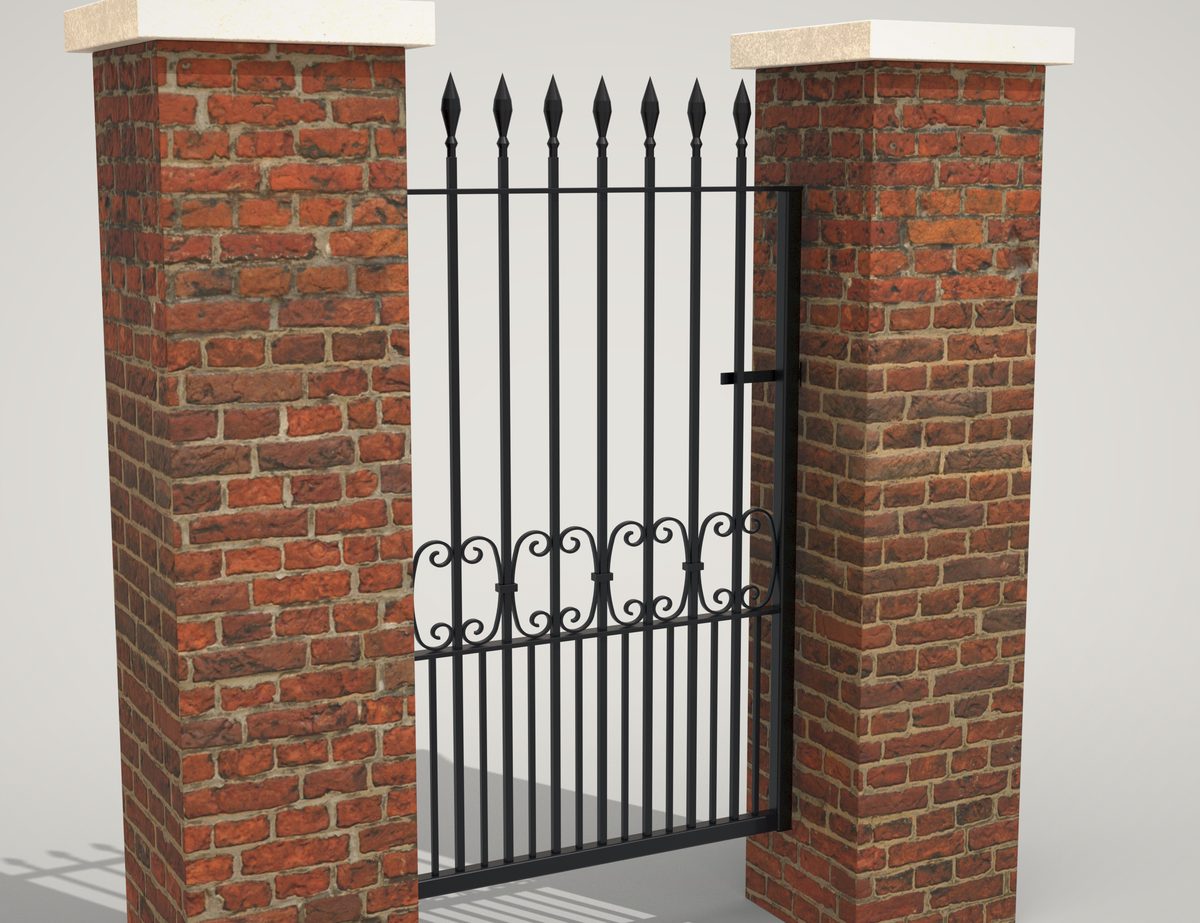
Garden and side gates
Single pedestrian gates for paths and side passages, flat-top or bow-top.
From £99design pack
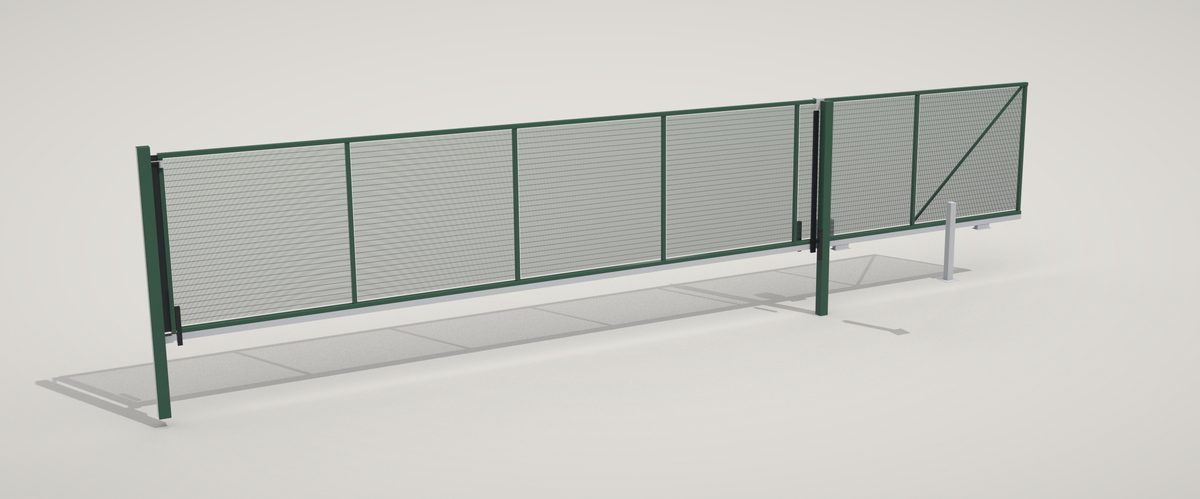
Sliding cantilever gate
A gate that slides along the fence line on rollers, with nothing in the opening.
From £249design pack
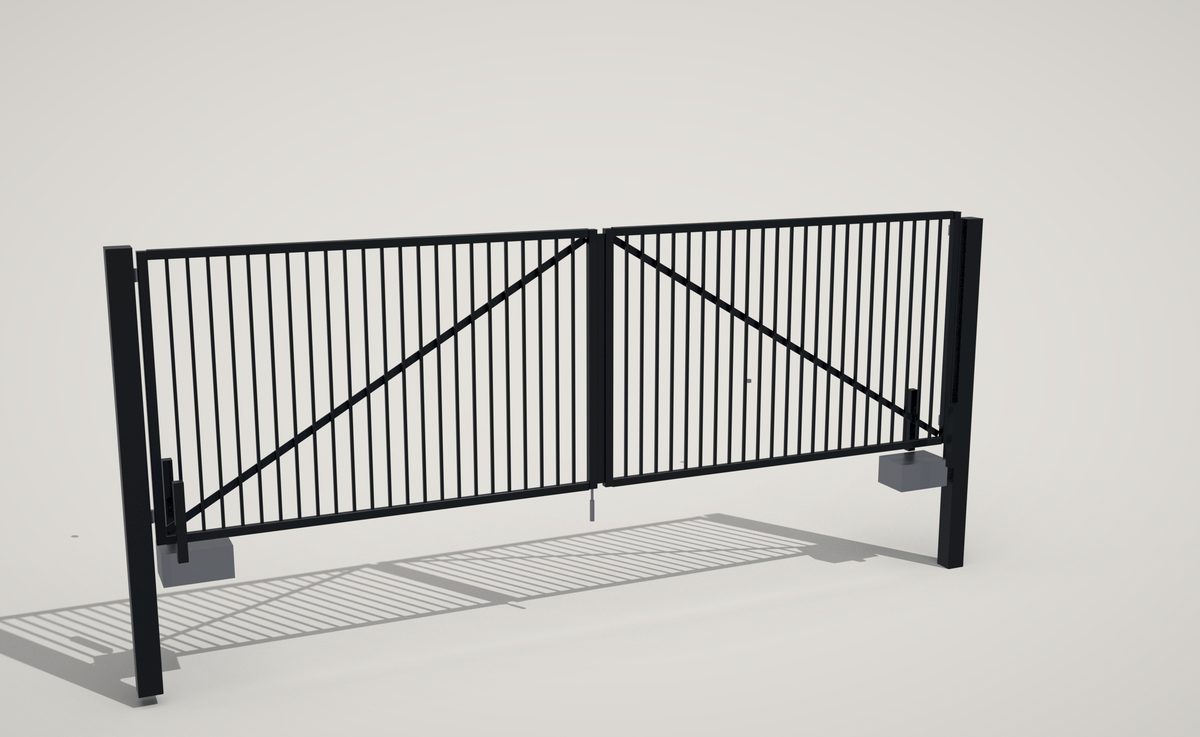
Automated swing gates
A pair of swing gates with motors, safety edges and photocells.
From £249design pack
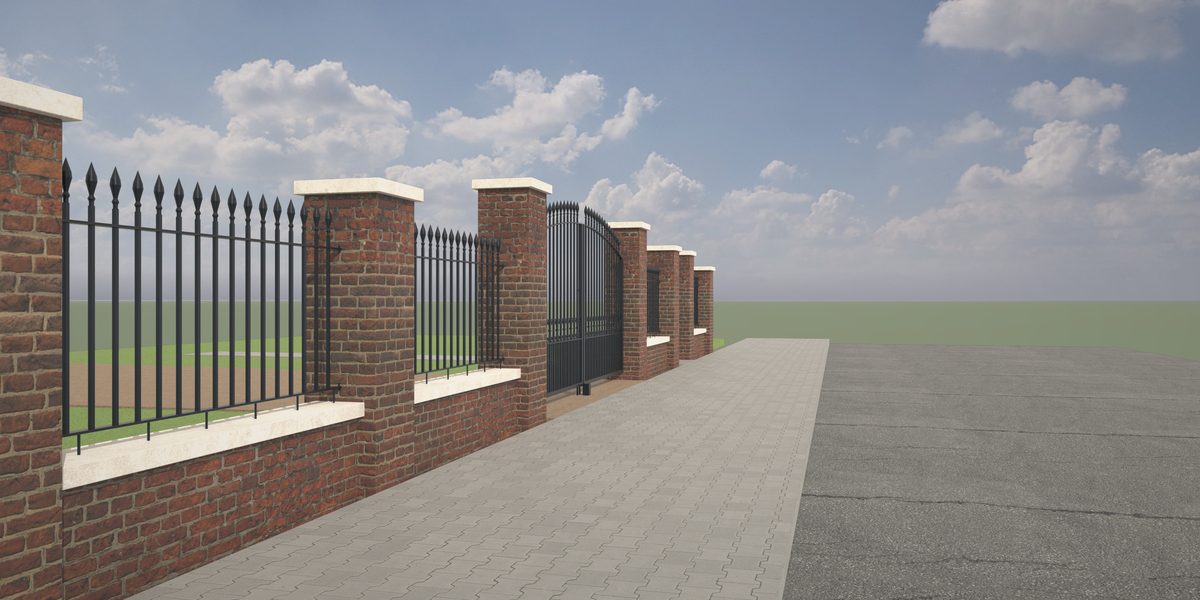
Railings on walls
Steel railings on dwarf walls between brick piers, matching the gates.
From £179design pack
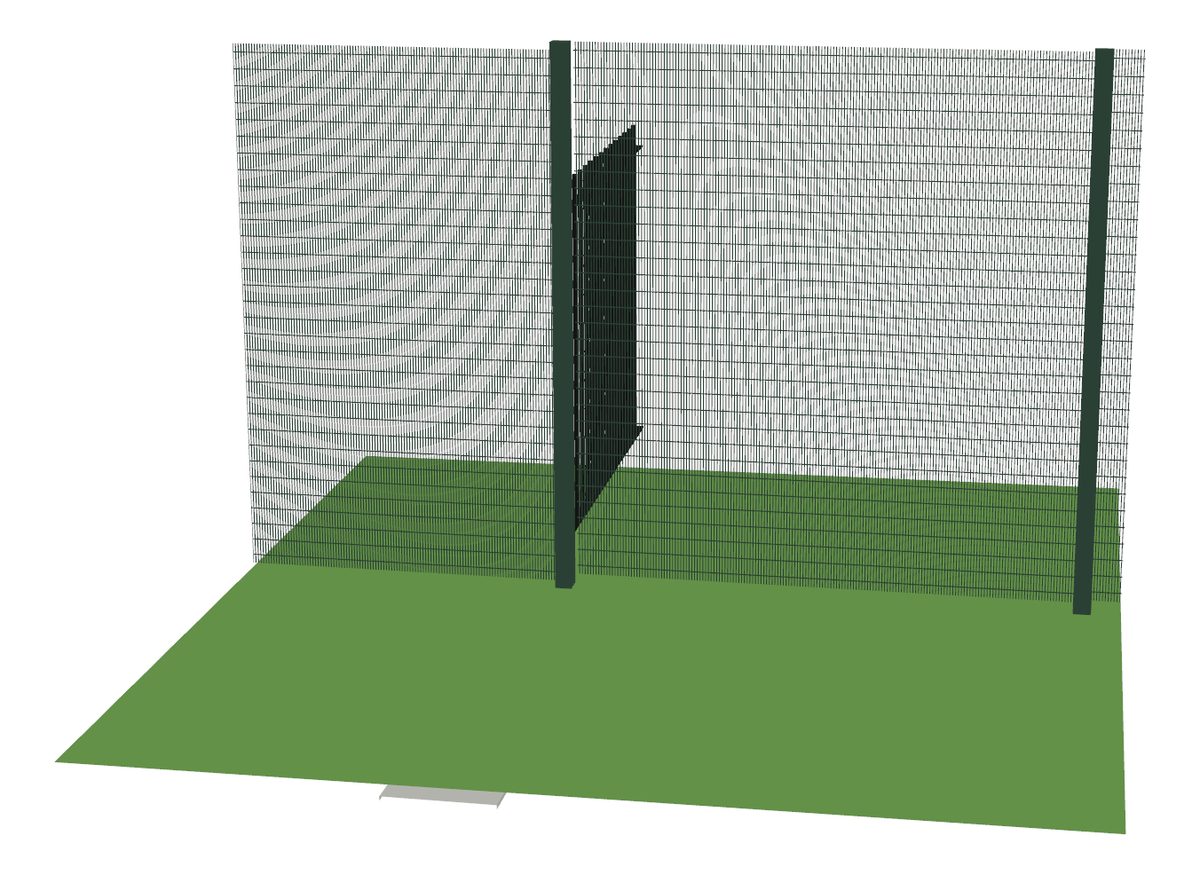
Mesh security fencing
Welded mesh panels on steel posts, stepped down slopes, with gates to match.
From £495design pack
Send the drawings.
Send the drawings and get a fixed price back within 4 working hours (Mon-Fri, 8 am-6 pm).
Not ready to send drawings? Ask for the full sample pack for your type of work, or a call back, with the form.