Guides/Galvanise, powder coat or paint outdoor steel
Galvanise, powder coat or paint outdoor steel
Every outdoor steel build ends with the same question: how do I stop it rusting? The honest answer depends on what it is, where it goes and whether it gets hot. Here are the three finishes we specify on our plans, what each needs from you before the steel leaves the workshop, and the one place galvanising must never go.
Hot-dip galvanising
The steel is dipped in molten zinc at about 450 C, which coats every face, inside and out, and bonds to it. For a gate, a log store, a bin store or a bench frame left outside it is the longest-lasting finish there is, which is why our outdoor plans specify it first.
The coating thickness depends on the steel. EN ISO 1461 asks for an average of at least 85 µm of zinc on steel over 6 mm thick, 70 µm from 3 to 6 mm and 55 µm from 1.5 to 3 mm (Table 3 of the 2022 edition, as the Galvanizers Association sets it out). Thin box section carries a thinner coat than heavy plate, so a painted top coat helps it more.
Zinc must be able to reach every surface. The Galvanizers Association's poster puts it plainly: molten zinc must be able to flow freely over all surfaces of a fabrication. Every sealed hollow needs vent holes, for the coating and for safety: the GA warns that air trapped in a sealed space can turn to superheated steam in the bath and lead to an explosion. The EN ISO 14713-2 table starts at 10 mm for the smallest tubes: one 14 mm hole at each end of an SHS 40, 16 mm on an SHS 50, 20 mm on an SHS 60. The galvanising calculator works it out, and your galvaniser has the final say: ask before you drill.
| Steel thickness | Average coating, at least | On our plans |
|---|---|---|
| over 6 mm | 85 µm | 8 and 10 mm plate |
| over 3 to 6 mm | 70 µm | 5 and 6 mm plate |
| 1.5 to 3 mm | 55 µm | 2, 2.5 and 3 mm wall box section, 2 mm sheet |
| under 1.5 mm | 45 µm | thin sheet |
Swipe the table sideways to see every column.
What the galvaniser needs from you
Clean welds. The GA poster lists welding slag, paint, grease and oil, and oil-based weld anti-spatter sprays, as unacceptable, along with unvented sealed hollow sections. Use a water-based anti-spatter if you use one at all, and chip and wire-brush every weld.
Grind laser, plasma and flame-cut edges. ISO 1461:2022 says such surfaces should have been ground off and sharp edges removed before the work reaches the galvaniser, because the cut changes the steel and the zinc holds less well there. Our plans' plates come as DXFs for laser or plasma cutting: dress the cut edges before dipping.
Mark parts by punching or welding, not with paint or stickers, and think about size: the work has to fit the bath, and a long thin frame can distort in the heat if it is badly braced.
Powder coat and paint
Powder coating gives the colour, often over galvanising for outdoor work (our gate and bench plans specify both). Tell the powder coater the steel is galvanised: it is prepared differently. Indoors, powder coat alone or primer and paint is plenty: black satin on a table frame is the classic.
If galvanising is not an option, our plans specify a zinc-rich primer and two coats of exterior metal paint. Prepare the steel back to bright metal, prime the same day, and touch up any scratch before winter. Work out the paint with the steel paint calculator.
Some builds are left bare on purpose. A steel raised bed rusts to a brown patina in a season, and so does a fire pit: it looks right and the plate is thick enough to last, but the rust runs and will mark paving under it.
Never galvanise what gets hot
Zinc gives off fumes when heated: HSE links metal fume fever with hot work on galvanised metals, and the American Galvanizers Association gives 200 C as the limit for continuous exposure of a galvanized coating. A fire pit, barbecue, brazier or stove stand must never be galvanised, painted with ordinary paint or fixed with zinc-plated bolts. Leave it bare, or use stove paint rated to 600 C on the outside, and keep cooking grids bare and oiled or in 304 stainless.
Looking after it
Galvanising needs almost nothing: touch up any damage with a zinc-rich paint. Paint and powder coat need the scratches caught before winter, and a wash where road salt or sea air reaches the steel. Bare steel left to patina needs nothing but a mat or a gravel bed under it where the run-off would stain.
Mistakes we see
No vent holes, or 6 mm holes where the table asks for 14. Oil-based anti-spatter on everything. Plasma-cut edges sent straight to the bath. A painted finish over mill scale that lifts in a year. And a galvanised fire pit, the one finish that turns a garden fire into a fume problem.
The plan
Each plan comes in 3 sizes, drawn from a checked 3D model: the steel to buy, the cutting list, every part drawn, the build step by step and a DXF for every plate, and the loads it was checked for.
Wheelie bin store plans
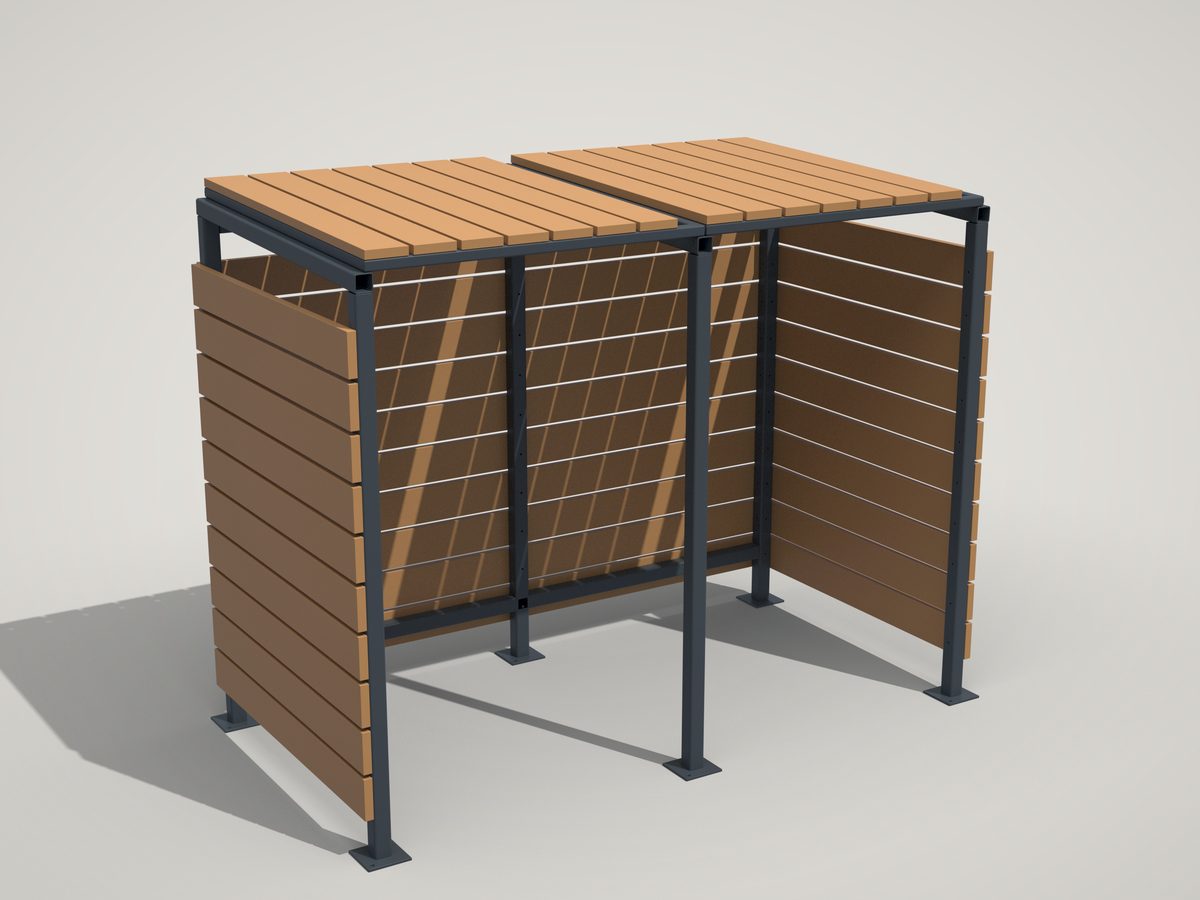
A steel-framed, timber-clad store for one to three wheelie bins: an open front, a hinged lid per bay, bolted down.
£53 sizes, instant download
Add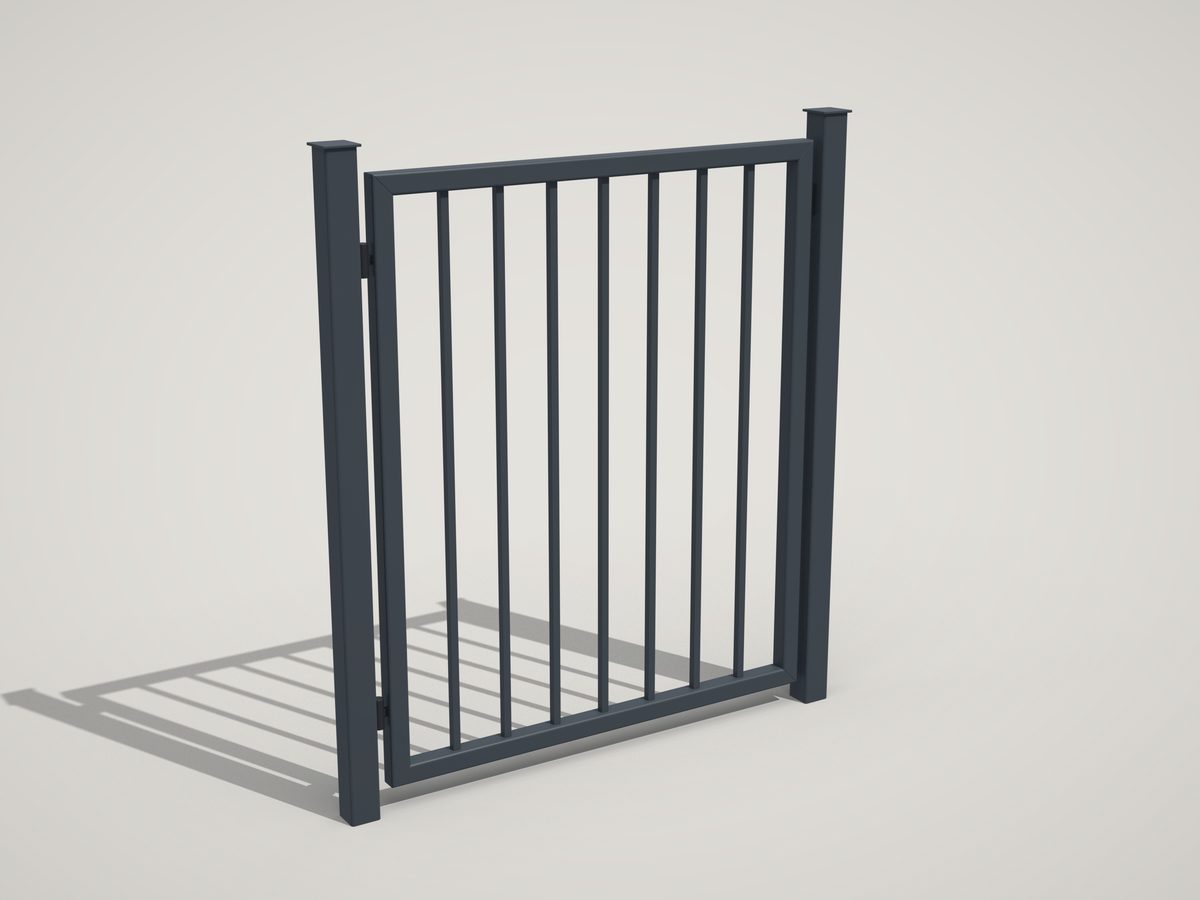
Garden gate plans
A box-section garden gate with square bars and its two posts: weld-on adjustable hinges and a gravity latch.
£53 sizes, instant download
Add
Building more than one? Every garden plan is in the garden bundle for £15 (42 plans, every size); any 3 plans are £12.
Questions
How thick is a galvanised coating?
EN ISO 1461 asks for an average of at least 85 µm on steel over 6 mm thick, 70 µm from 3 to 6 mm and 55 µm from 1.5 to 3 mm.
What size vent holes for galvanising box section?
The EN ISO 14713-2 table gives one 14 mm hole at each end of an SHS 40, 16 mm for SHS 50 and 20 mm for SHS 60. Check with your galvaniser before drilling.
Can you powder coat over galvanising?
Yes, and our outdoor gate and bench plans specify it. Tell the coater it is galvanised so they prepare it to suit.
Can I galvanise a fire pit or BBQ?
No. Zinc gives off fumes when heated, and galvanised coatings are rated for about 200 C continuous. Leave it bare or use 600 C stove paint.
What if I cannot get it galvanised?
Clean back to bright metal, a zinc-rich primer the same day and two coats of exterior metal paint, touched up each year.
Sources
Read on the published page. The plan figures are our own, taken off the checked 3D model. Where the law is quoted it is the law in England unless it says otherwise; your engineer, insurer or competent person decides your build.
- Galvanizers Association, Design for Galvanizing poster (reproduces EN ISO 14713-2:2020), Introduction“molten zinc heated to a temperature of 450ºC”
- Galvanizers Association, Design for Galvanizing poster (reproduces EN ISO 14713-2:2020), Table 1, vent hole sizes for hollow sections“molten zinc must be able to flow freely over all surfaces of a fabrication”
- Galvanizers Association, Design for Galvanizing poster (reproduces EN ISO 14713-2:2020), Overlapping surfaces“may be converted to superheated steam in the galvanizing bath”
- Galvanizers Association, Design for Galvanizing poster (reproduces EN ISO 14713-2:2020), Identification markings: unacceptable“Oil Based Weld Anti-Spatter Sprays, Unvented Sealed Hollow Sections”
- Galvanizers Association HDG Datasheet 4b: a guide to hot dip galvanizing to EN ISO 1461:2022 (October 2024), Table 3“Minimum coating thickness requirements on samples that are not centrifuged”
- ISO 1461:2022, Hot dip galvanized coatings on fabricated iron and steel articles (publisher's preview), 6.2, after note 2“flame-cut, laser-cut and plasma-cut surfaces should have been ground off”
- American Galvanizers Association: Performance and inspection of HDG exposed to extreme temperatures, Recommended maximum temperature“long-term, continuous exposure is 392 F (200 C)”
- HSE: Health risks from welding, Metal fume fever“Metal fume fever is usually linked to welding or hot work on galvanised metals”
Where next
Wheelie bin store plans
A steel-framed, timber-clad store for one to three wheelie bins: an open front, a hinged lid per bay, bolted down.
£53 sizes, instant download
AddGarden gate plans
A box-section garden gate with square bars and its two posts: weld-on adjustable hinges and a gravity latch.
£53 sizes, instant download
Add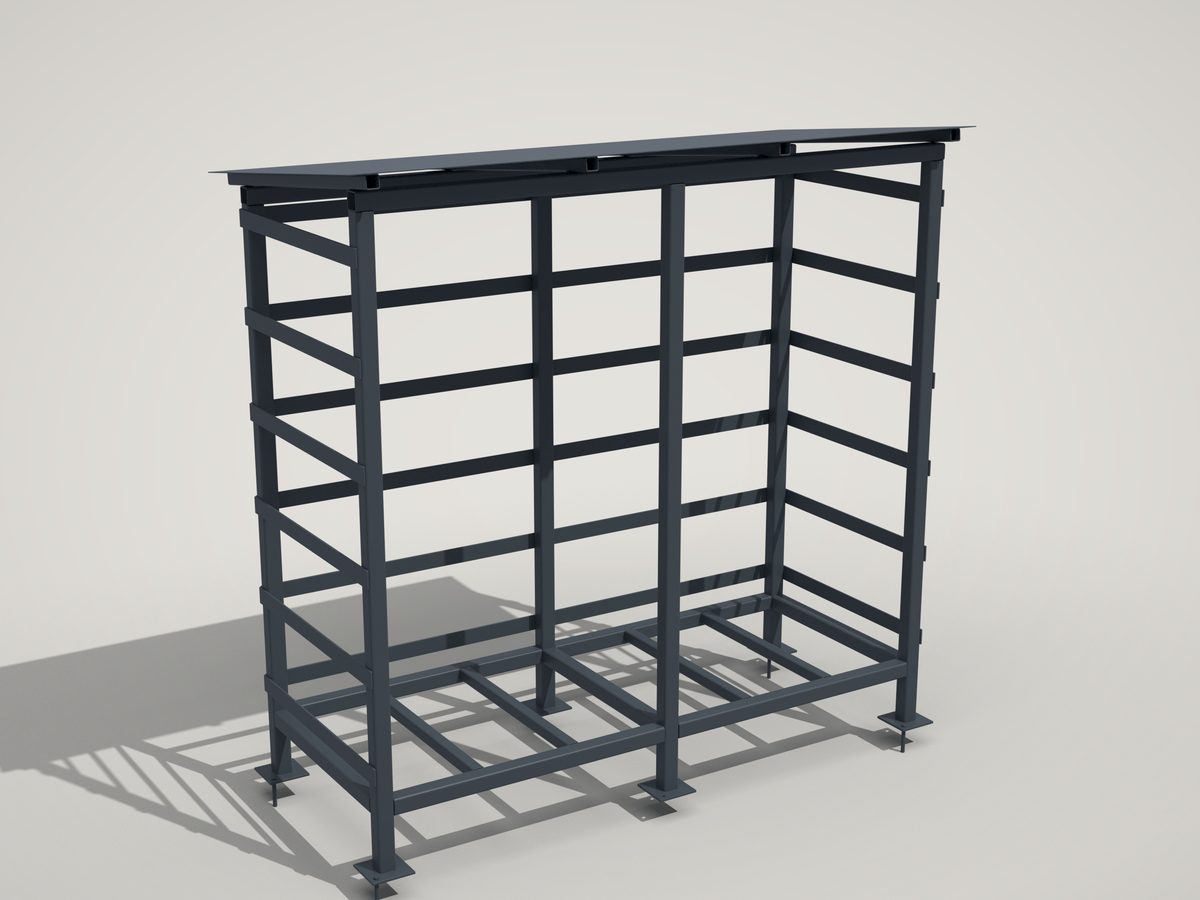
Log store plans
An open-fronted firewood store: logs on slats off the ground, slatted sides and back for air, a sloping steel roof.
£53 sizes, instant download
Add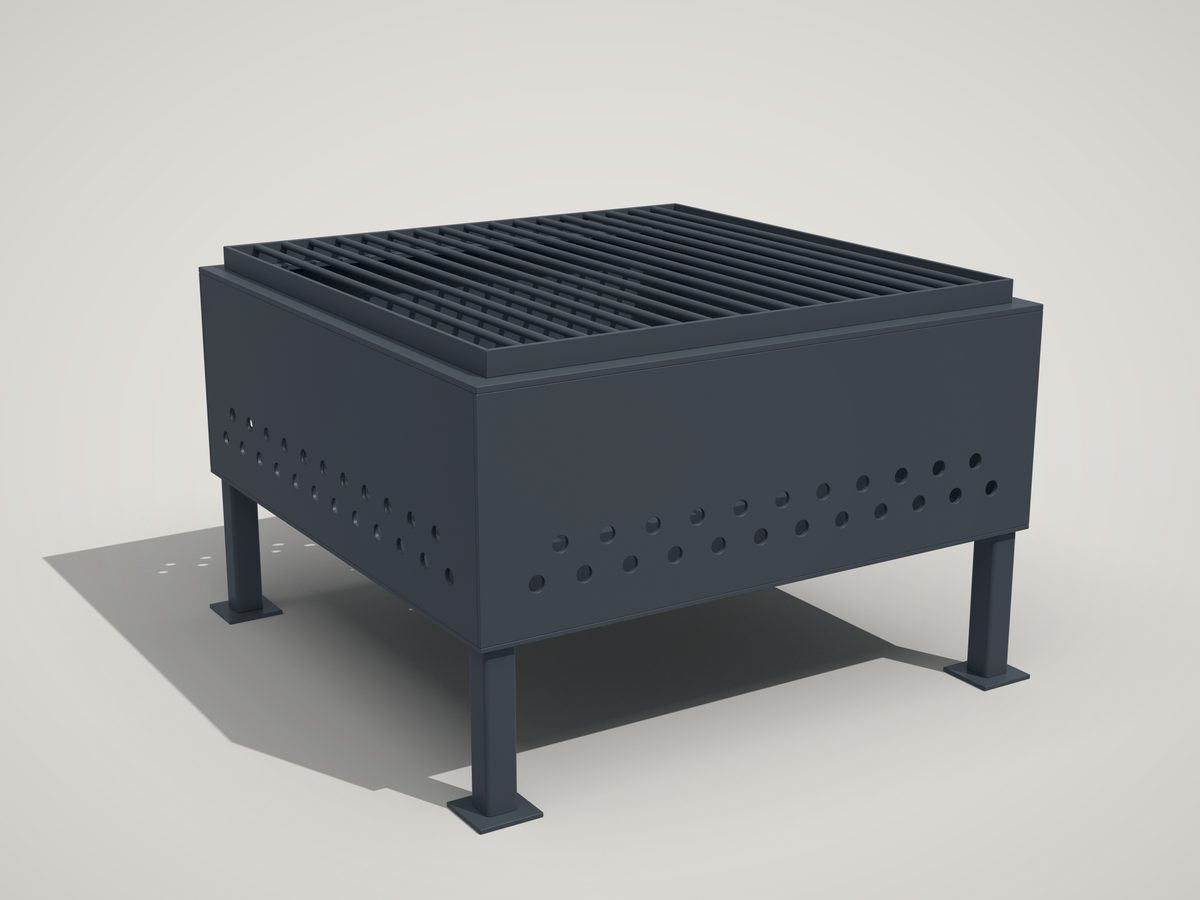
How to make a steel fire pit: plate and safety
How to make a steel fire pit: 5 or 6 mm plate that will not burn through, the base 200 mm off the ground, never galvanised, 3 m from anything that burns.
Guide6 sources read
More guides
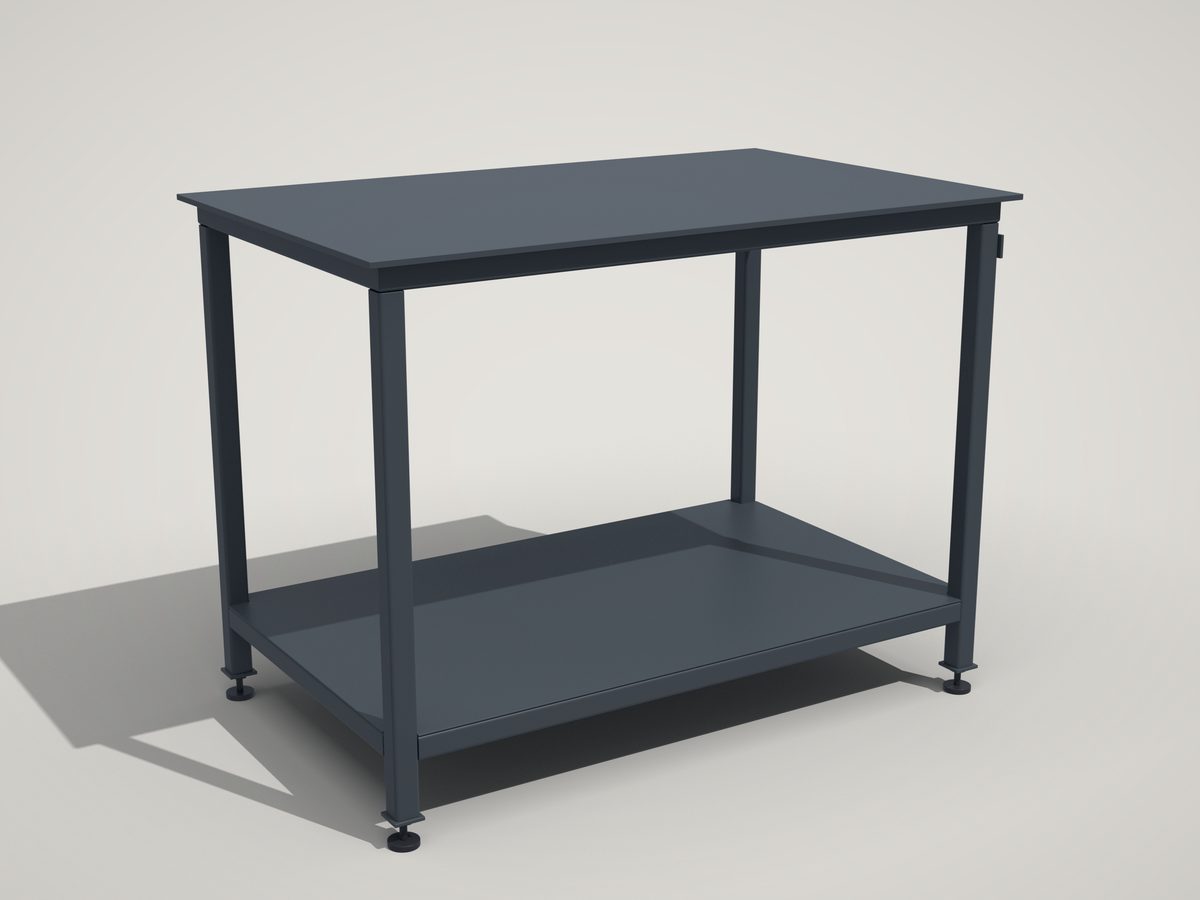
How to build a welding table: steel and sizes
How to build a welding table: an 8 or 10 mm plate top with a 25 mm clamping edge, a mitred SHS 40 frame, stitch welds to keep it flat. Sizes to 1500 x 900.
Guide3 sources read
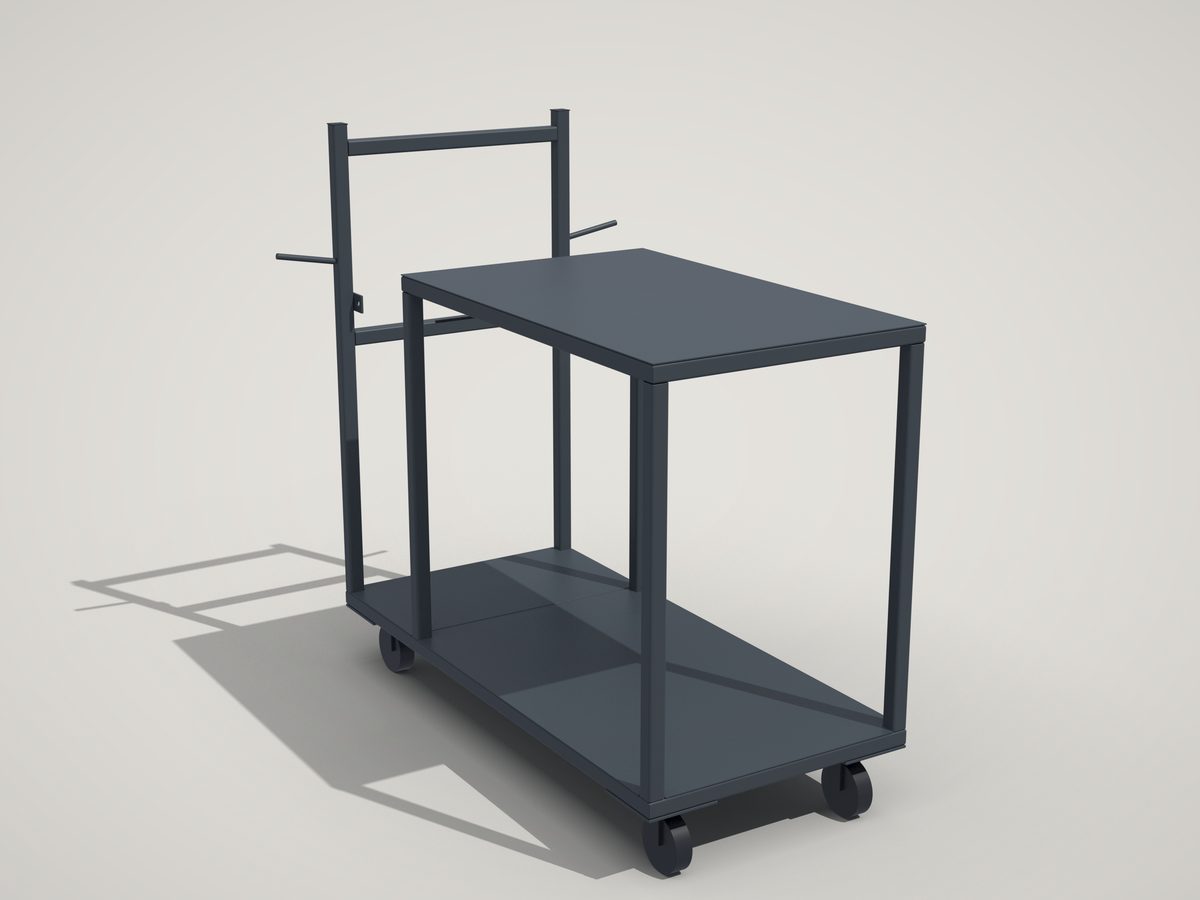
DIY welding cart: sizes, castors and the bottle
DIY welding cart: a bottle bay for a 200 to 250 mm cylinder, chained; castors rated for three wheels; stable to 15 degrees loaded. Three sizes.
Guide3 sources read
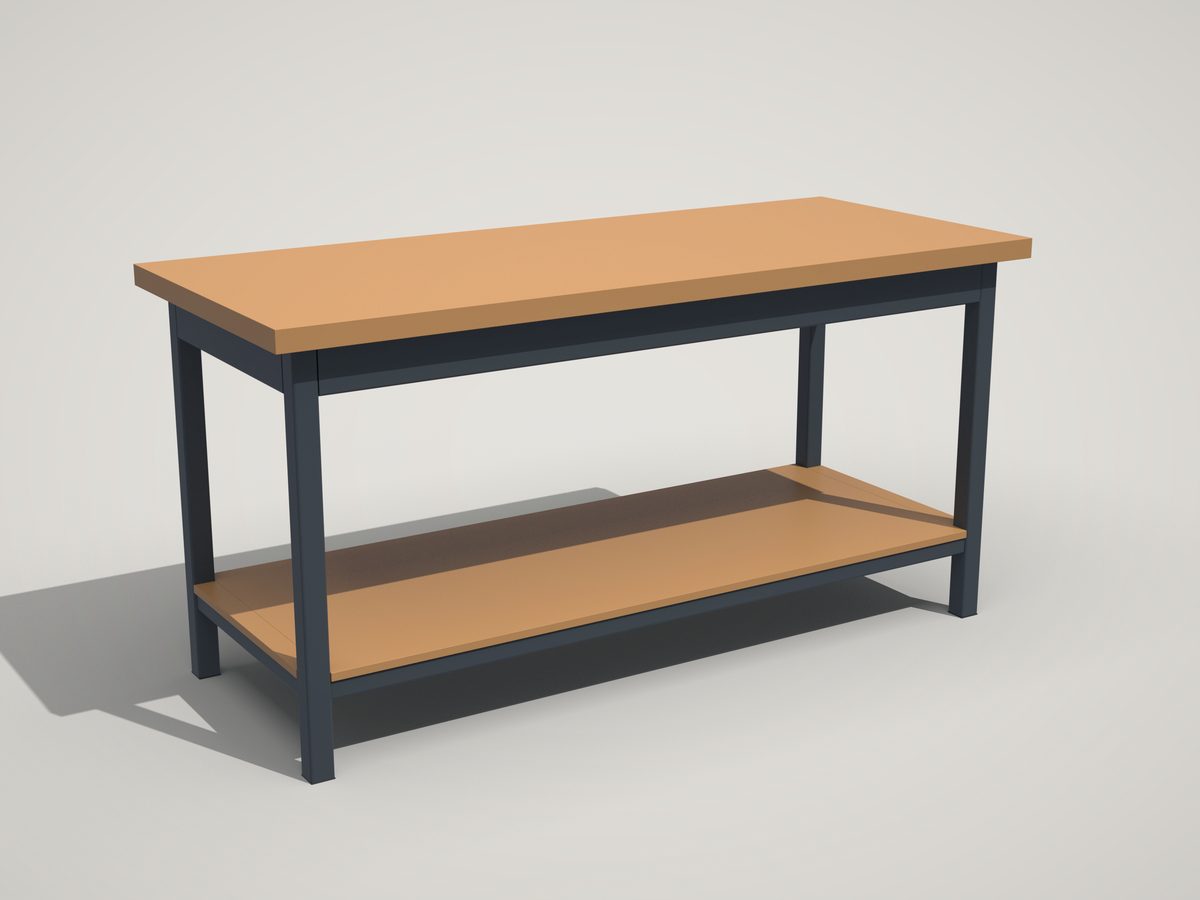
How to build a metal workbench that stays put
How to build a steel workbench: RHS 100 x 50 rails, SHS 50 legs and a 45 mm timber top, checked for 3.0 kN/m2 and a 2 kN point load. 1.5 to 2.1 m long.
Guide3 sources read